
Life is Improv: Exploring One of The Most Underrated Skills in the Age of AI – Improvisation
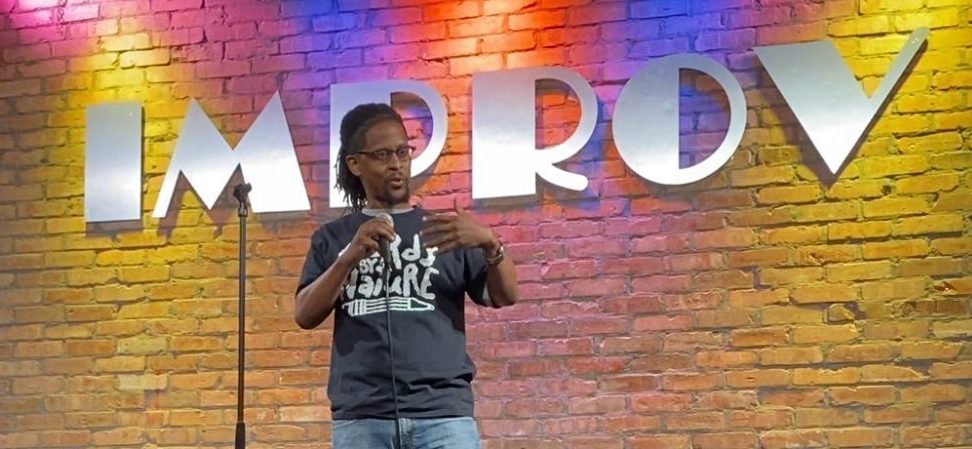
About two years ago, my wife and I took on a personal growth challenge: push each other beyond our comfort zones. We both agreed to perform a task that we enjoy watching on TV and in person: stand-up comedy.
As someone who’s facilitated training rooms, classrooms, boardrooms—and sometimes chaotic family rooms—nothing quite compares to staring down a half-buzzed audience waiting for a punchline. My well-prepared material wasn’t landing. But what saved me? Improv.
Not just the kind I practiced in high school theater or debate—but the life improv that comes from years of teaching, leading workshops, raising kids, and adapting in real time to whatever the day throws at you.
Improv is not just entertainment. It’s oxygen for 21st-century professionals.
Improv: The Human Skill We Forgot to Value
Improv is more than quick wit. It’s the ability to:
- Navigate the unscripted
- Respond instead of react
- Stay fully present in messy human moments
In other words, it’s the opposite of everything automation is trying to replace.
As I wrote at the beginning of my book The Art of Teaching, “Without the ‘why’ behind what we do, we become cold, mechanical… robotic.” That warning wasn’t just for educators—it was for leaders, trainers, and professionals in every industry. When we lose the capacity to respond with nuance, humor, curiosity, or care—we lose the competitive edge that makes us human.
“Don’t Think—FEEL.” (Bruce Lee Knew Before ChatGPT)
In a blog post I wrote almost a decade ago, Rise of the Androcators, I asked a simple question: “What happens when machines do the technical work better than we do?”
Today, we have the answer. AI can already:
- Deliver standardized training
- Grade assessments
- Simulate customer service
- Write onboarding scripts
- Even conduct preliminary interviews
But what it can’t do is feel the moment.
Bruce Lee’s famous line—“Don’t think. FEEL.”—captures exactly why improv matters. It’s the core of emotional intelligence, adaptability, and psychological safety. It’s what turns managers into mentors and trainers into transformative facilitators.
Why L&D Leaders Should Care About Improv
For learning and development professionals, the implications are huge:
- Improv in Professional Development: Bring in (ie, pay for them, I see it’s hard out there for comedians these days) local improv groups or improv-based facilitation for team building and leadership training. It’s not fluff—it builds adaptability, listening, and presence.
- Improv for Culture and Connection: In hybrid or remote workplaces, improv activities can help rebuild spontaneity and trust that can be lost in Zoom and Slack interactions.
- Improv in Talent Development: Interviews that go off-script help you identify real potential, not just rehearsed responses.
- Improv for Innovation: Teams that can pivot without panic are teams that innovate without fear.
In the Age of AI, the Edge Is Emotional Agility
The World Economic Forum lists creativity, resilience, and emotional intelligence among the top skills of the future. Those are all improv skills.
The best L&D programs aren’t rigid—they’re responsive.
The best leaders aren’t perfect—they’re present.
And the most successful professionals won’t just adapt to change—they’ll dance with it.
Final Thought: Be Here. Be Human.
In a world optimized for precision and productivity, improv offers something radical: presence.
So here’s the challenge—for you, your team, your organization:
- Say “yes, and…” more often.
- Replace a scripted moment with a spontaneous one.
- Run a session that values curiosity over control.
The future belongs to those who can think and feel.
To those who can respond to change with character, not code.
And maybe—just maybe—to the ones brave enough to tell a joke onstage and trust the silence.
Life is improv.

 Vanguard Teaching
Recent Comments